Representing the best
Finnish authors abroad
Finnish authors abroad
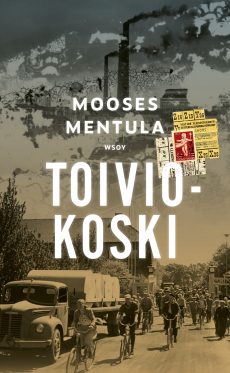
Smoke rises from the factory chimney. In post-war Finland, it smells good.
Vilho and Elsa, moving to the factory town, have little to their name, but they trust that the company will take care of its own. The young couple, who found each other through wartime correspondence, sense a promise in the steam of the Toiviokoski paper mill. Here, they would build a family and a shared future.
But the wounds of war do not heal easily, and many are haunted by the lives they never got to live. There are young widows and hollowed-out men still mentally stuck on the front lines. Outwardly, the community appears united, but within, it is divided into social classes. Both the factory town and Vilho and Elsa must search for harmony.
Air of Hope is an intense portrayal of post-war Finland, a nation rebuilding itself, and an unquenchable thirst for life.
Ask for the English materials by clicking here
Finnish edition
English sample
Eeva Joenpelto Prize nominee 2024
German: Weidle Verlag
“In his novel AIR OF HOPE, Mooses Mentula shows himself to be a clever storyteller who combines credible, vivid descriptions of milieus with exciting stories from the everyday lives of so-called “little people”. He captivates his readers with strong characters that are hard to forget.
By taking us back to the reconstruction years of the 20th century, he shows us the traces that war leaves on people. At the same time, he reminds us that there was a time when people looked to the future with confidence and hope. An important book that should also be made available to German readers!” —Svenja Frederike Bischoff, Weidle Verlag, Germany
“AIR OF HOPE extends the strong tradition of Finnish working‑class and labour novels with a vivid, uncompromising depiction of the post‑war reconstruction era. Set in a fictional yet recognizable paper‑mill town, the novel explores what it means to enter a new community and carve out a place for oneself after rising through the ranks. Themes such as war disability, drug addiction, and the near‑total absence of trauma care or social safety nets are handled with striking honesty, giving the story both emotional weight and social relevance.” —Statement of the Eeva Joenpelto Prize Jury